
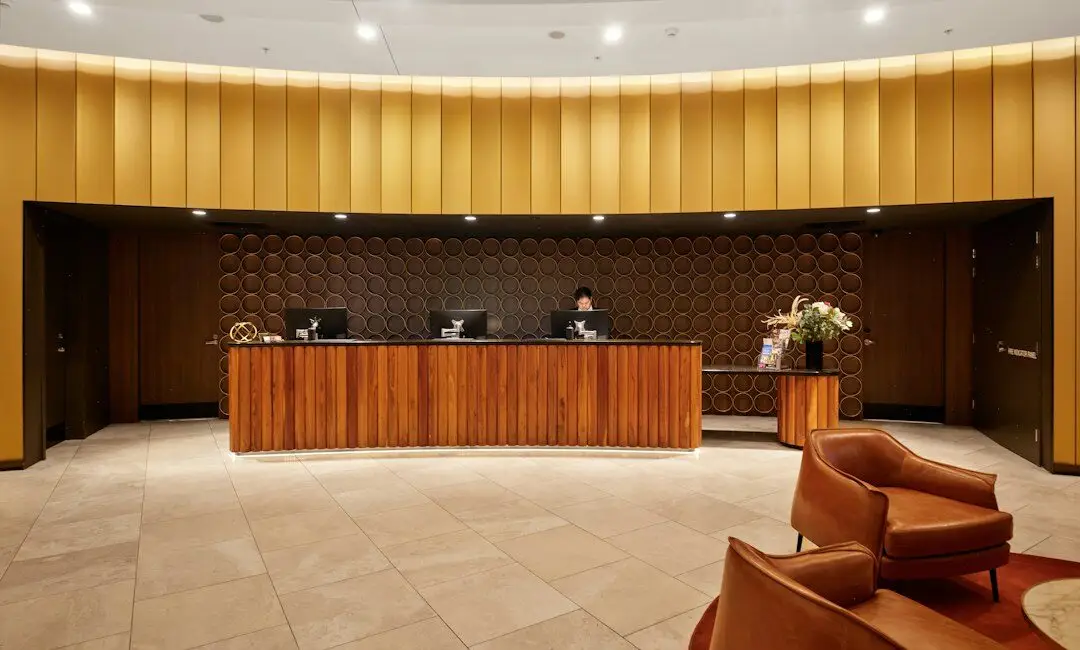
Short answer: Hospitality management combines service quality with the daily coordination of people, processes and resources. Career paths can begin in guest-facing roles and grow toward specialist or operational management, depending on experience and interests.
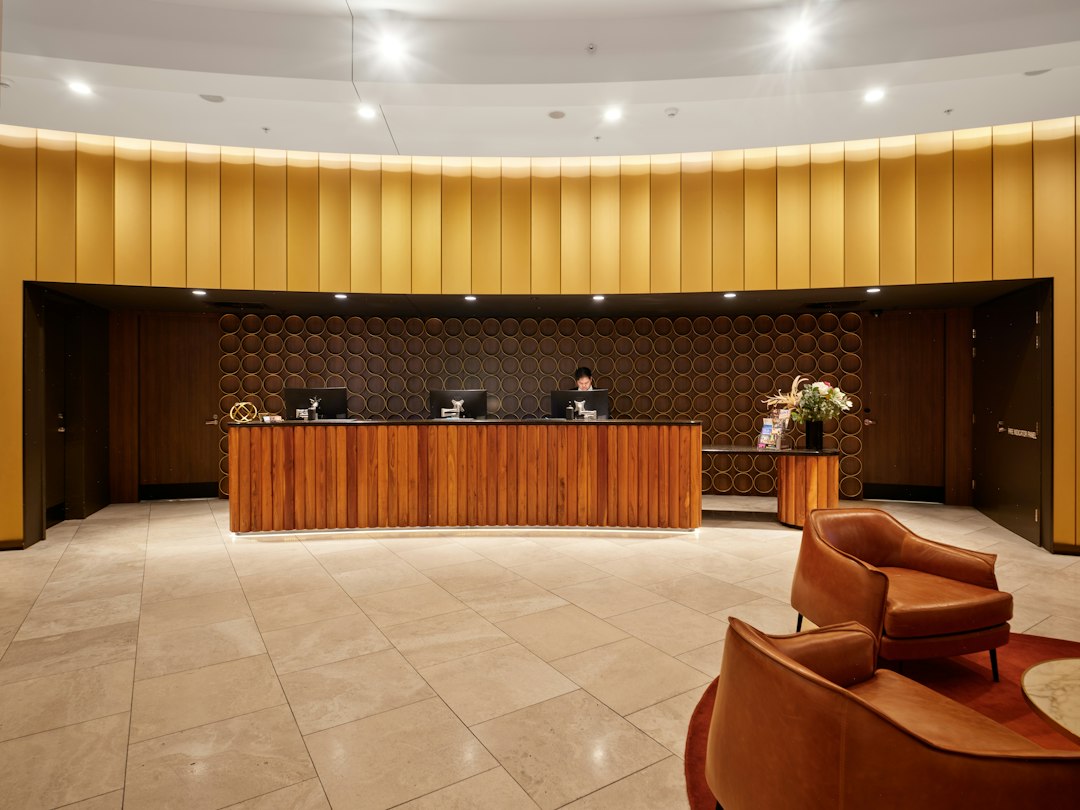
A hotel stay may look effortless to a guest, but it depends on teams coordinating arrivals, rooms, food, events, housekeeping, maintenance and communication. Studying hospitality management helps learners understand how those parts connect and how managers make service consistent when demand, staffing and guest needs change.
What does hospitality management cover?
The field is broader than front-desk service. Depending on the programme and employer, work may involve:
- Guest experience: listening to feedback, resolving service issues and improving communication.
- Rooms and front office: coordinating reservations, arrivals, room readiness and handovers.
- Food, beverage and events: planning service, schedules, suppliers and event delivery.
- People and operations: supporting teams, setting procedures and coordinating across departments.
- Commercial thinking: understanding demand, costs, capacity and the choices that affect business performance.
Possible career directions
Early experience may lead toward front-office supervision, guest relations, events coordination, food-and-beverage operations, reservations or housekeeping coordination. With further experience, professionals may move into department leadership, hotel operations, sales, revenue-related roles, training or multi-property management. Job titles and responsibilities vary between employers and countries, so learners should review real vacancies in the markets where they hope to work.
Skills that matter in day-to-day work
Communication is central, especially when several departments need the same accurate information. Planning and prioritisation help teams handle busy periods. Managers also need to read feedback without becoming defensive, make decisions with incomplete information and document handovers so the next shift can act. Language skills, digital systems and basic financial understanding can support many roles.
These skills can be practised through case studies: how to respond when a room is not ready, how to coordinate an event change, or how to resolve a guest complaint while keeping the team informed. A strong answer explains the steps, the people involved and how the outcome will be checked.
Questions to ask before choosing a course
- Which subjects are taught, and how are they assessed?
- Does the curriculum include operations, service quality, events and business fundamentals?
- Are practical projects, simulations or placements included, and what exactly do they involve?
- What are the entry requirements, language of instruction, study format and total costs?
- What award is issued, by which institution, and what recognition or progression claims can be independently verified?
Ask for written answers and check important claims directly with the relevant institution or authority. Course names alone do not establish accreditation, employment outcomes or eligibility for further study.
Frequently asked questions
Is hospitality management only about hotels?
No. Skills can also apply to restaurants, events, tourism, resorts and other guest-service settings. Actual opportunities depend on qualifications, experience, location and employer requirements.
Do I need work experience before studying?
Requirements vary by programme. Customer-facing experience can help learners connect classroom topics to real situations, but it is not a universal entry requirement.
Which skills should I practise first?
Start with clear communication, reliable handovers, customer listening and basic planning. Then build confidence analysing service processes and explaining a decision.
Prospective students can visit CIE University to review study information and prepare specific questions about the programme before applying.
